Co-founder
In 2010, I helped bring together a small group of London brewers to form what became the London Brewers Alliance. The idea grew out of time I'd spent in California, where organisations like the San Francisco Brewers Guild had fostered a strong "drink local" culture — something that felt missing in London at the time.
Alongside co-founders Steve Skinner and Angelo Scarnera, we invited London's breweries to a dinner at Brew Wharf in Southwark. Ten showed up, including Fuller's, and the Alliance took shape from there. The early ambition was modest: just to get people talking and connecting on a social level.
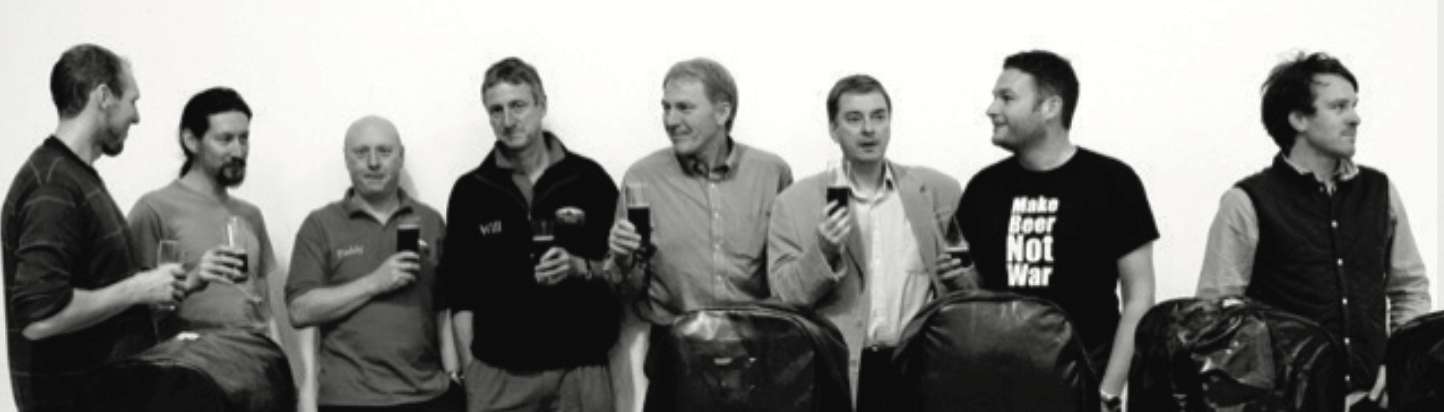
Early days: London brewers gathering at one of the first Alliance events
What followed surprised us all. A collaborative brew — hosted by Andy Moffat at Redemption Brewing — became one of the first multi-brewery beer collaborations in the UK. By September 2010, we launched the London Brewers Showcase at Brew Wharf, bringing together thirteen breweries including Camden, Fuller's, and By The Horns. The event helped shine a light on London's emerging craft brewing scene, and by the following year it had outgrown the venue entirely.
The LBA has since grown far beyond those early conversations, but I'm proud to have played a part in getting it started.
Community
Craft Beer
London
Brewer
Brew Wharf was an eight-hectolitre brewpub located under the railway arches at Borough Market, part of the Vinopolis complex. The venue was owned by Claudio Pulze and Trevor Gulliver — the latter best known as co-founder of St John — and was conceived as a place where brewing, food, and hospitality carried equal weight.
When I arrived in 2010, Brew Wharf already had presence and ambition, but the brewery itself was still searching for a clear direction. Alongside Steve Skinner and Angelo Scarnera, I helped steer the brewing toward a more contemporary expression of cask beer — informed by American craft brewing but grounded in British tradition. The emphasis became freshness, drinkability, hop character, and beers designed to work with food and conversation rather than spectacle.
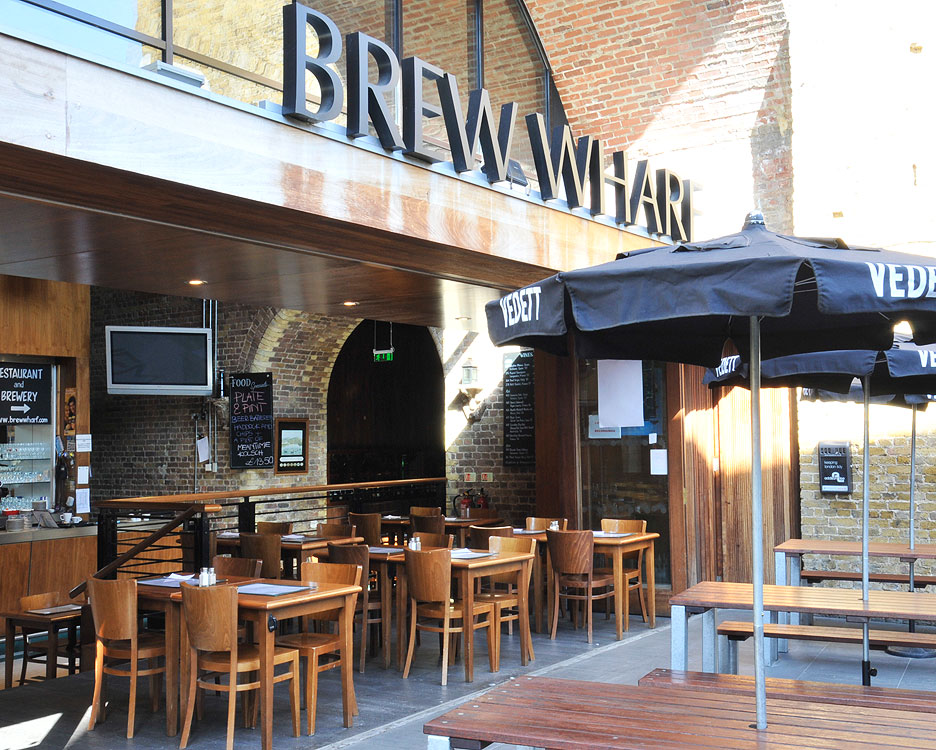
The brewery under the arches at Borough Market
Under this direction, Brew Wharf became known for bold cask beers such as Hopfather, ABC, Punjabi, and Hoptimum, alongside collaborative and one-off brews that challenged assumptions about what cask beer could be. The brewery gained recognition not just for the beers themselves, but for helping normalise ideas that would later become central to UK brewing: lower-alcohol hop character, American hop expression in British formats, and cask as a medium for modern beer rather than nostalgia.
Alongside Steve Skinner, I also brewed under the name Saints and Sinners Brewing Co — a cuckoo operation using Brew Wharf's kit to make whatever took our fancy. Our black IPA, Military Intelligence (6.8%), released in August 2010, was named by The Beercast as one of their best new British beers of 2010 — "a benchmark for the new wave of black versions arriving in the UK." That same year, the London Brewers Alliance collaboration porter was also released at the Brew Wharf showcase.
During this period, Brew Wharf became a place where ideas were tested openly. Beers brewed there, and collaborations developed around the kit, fed into work that later appeared at The Kernel Brewery, Beavertown Brewery, and Redemption Brewing, as well as shared projects with brewers who went on to form Elusive Brewing and Burning Sky Brewery.
Some of those beers continue to echo today. Elements of London Brick, first brewed collaboratively during this period, can still occasionally be tasted in versions brewed by The Kernel — a quiet through-line linking those early collaborations to the present.
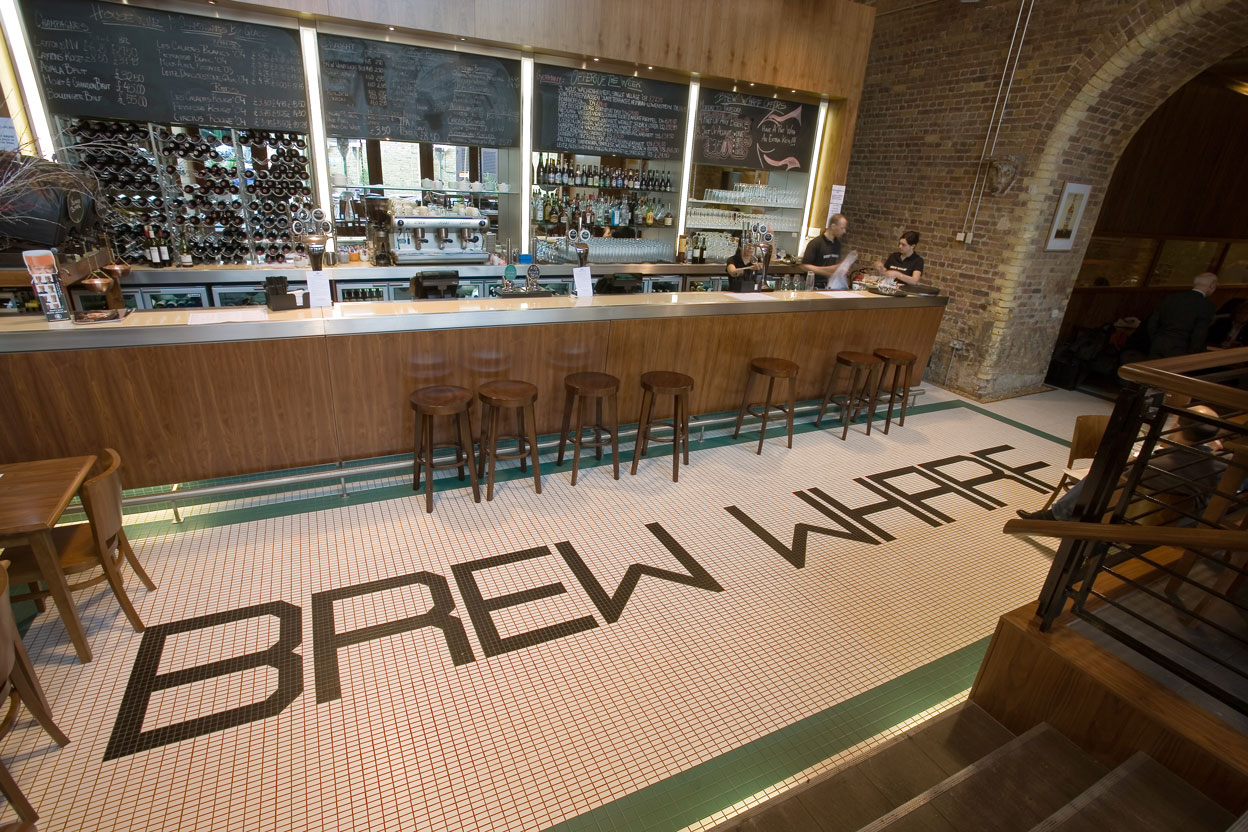
One of many gatherings at Brew Wharf
Beyond the beer itself, Brew Wharf mattered as a meeting point. In 2010 it hosted early gatherings that led to the formation of the London Brewers Alliance, at a time when London's modern brewing scene was still small enough for nearly everyone to fit around one table. For a while, the brewery acted as an informal base for that community, hosting meetings, collaborations, and the Alliance's first public festival.
It was also a forum for London's beer blogosphere — writers like Mark Dredge and the late Sid Boggle were regulars — and hosted celebrated occasions for the British Guild of Beer Writers and the traditional pre-GBBF gatherings that brought the wider beer community together each August.
Brew Wharf closed in 2014, and the brewhouse was later relocated to Breakwater Brewery, where it continues to be used today. The original site has since been redeveloped, but its influence travelled with the people who brewed there, drank there, and learned there. I look back on it less as a standalone project, and more as a short, intense chapter within a wider movement that reshaped how beer was brewed, served, and talked about in London.
Brewery
Borough Market
London
2010–2014
Product & Digital Lead
LupoHops.com serves as the digital home for the Lupo Series hop pellet products — a global platform designed to support brewers and channel partners across multiple regions and markets.
I led the development of this site as part of a broader effort to bring clarity and accessibility to an advanced product range. The platform needed to work for everyone from small craft brewers discovering enhanced pellets for the first time, to established partners across the Americas, Europe, Oceania, and beyond.
The site brings together product education, technical resources, testimonials from brewers worldwide, and direct connections to regional distribution partners. It's designed to translate technical complexity into something approachable — helping brewers understand not just what these products are, but why they matter for their brewing outcomes.
Digital Product
Hops
Global
B2B
Go-to-Market Strategy
LupoCore represents a new approach to hop pellet production — enhanced T90 pellets engineered for consistency, quality, and sensory performance at scale. Working with close colleagues, I've been involved in shaping how this product goes to market globally.
The product emerged from over 40 years of pelletizing expertise combined with Sensory Plus™ — a selection methodology built on years of sensory data analysis. The result is a pellet that delivers true-to-type hop character year after year, reducing the variability that brewers often face with standard T90 pellets.
40+
Years pelletizing expertise
6,000+
Lots analyzed since 2019
What makes this project meaningful to me is the challenge of communicating technical innovation in a way that resonates with brewers of all sizes — from 100 to 100,000 barrels. It's about translating engineering excellence into practical value: cleaner aroma, higher yield, consistent performance.
Available varieties include Amarillo®, Azacca®, Cascade, Centennial, Citra®, Columbus, Mosaic®, Sabro®, and others — distributed globally through BarthHaas Group and regional partners.
Product Innovation
Hops
Brewing
Supply Chain
Founder & Product Lead
Plots is a fishery management platform designed to give lake owners control over their online presence and reduce administrative friction. It addresses a gap I've observed firsthand: most fishing venues lack simple, professional tools to manage visibility, handle enquiries, and communicate with anglers.
The platform offers tiered visibility levels (public, semi-public, private), professional satellite mapping, owner updates and announcements, and verified listings. The goal is to reduce the enquiry load on owners while giving anglers reliable, up-to-date information.
Currently in early MVP, with phased rollout planned for bookings, analytics, and lightweight CRM tools. A product born from years spent on the bank, built with the owners in mind.
SaaS
Product Strategy
Angling
MVP
Creator & Developer
DevBoard is a lightweight project and task management tool I built for my own workflows — essentially Jira without the bills, the bloat, or the enterprise overhead. It started as a weekend experiment and evolved into something I now use daily to track projects, ideas, and work in progress.
The application features kanban-style task boards, markdown README documentation per project, file attachments, screenshot management on tasks, role-based access control, and a clean dark UI designed for focus. Projects can be organised hierarchically, locked when complete, and exported for handover or archival.
Built with PHP and MySQL on the backend, vanilla JavaScript on the frontend. Self-hosted, fast, and entirely under my control. No subscriptions, no feature-gating, no tracking. Just a tool that works the way I think.
It's a reminder that not every tool needs to be a product — sometimes the most useful software is the kind you build for yourself, shaped by your own friction points and workflows.
PHP
MySQL
JavaScript
Self-hosted
Project Management
Founder
After Brew Wharf closed in London, the opportunity came up to purchase the brewing equipment. I relocated it to Dover and established Breakwater Brewery — a chance to build something new while carrying forward what I'd learned.
The brewery sits on the site of a historic Dover brewery, which felt right. We focused on modern, full-flavored beers — West Coast and German-inspired styles — brewed with local spring water. The taproom became a proper community space: industrial-chic, with views over the River Dour, stone-baked pizzas from our on-site pizzeria, and regular live music nights.
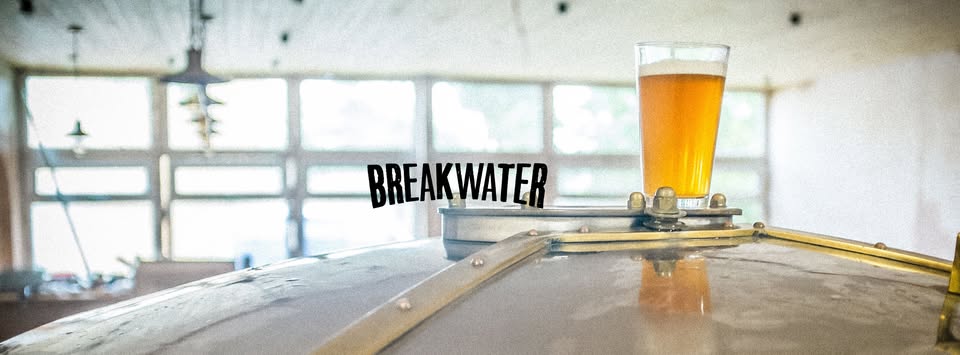
The Breakwater taproom — craft beer, pizza, and community in Dover
It's grown into something I'm proud of — an award-winning microbrewery with a loyal local following. We now also run Breakwater Marina Curve, an open-air bar on the Dover waterfront. The team there have built something genuinely welcoming, and it's rewarding to see it thrive.
Brewery
Hospitality
Dover
Taproom
Author & Photographer
A lockdown project that became something more. Over Covid, I'd rediscovered my film cameras and a new scanner, and started sharing old slides with friends from the Conningbrook days. The response surprised me — enough that a personal project became a proper book.
The 'Brook is a documentary photo collection from Conningbrook, one of the UK's most storied open-access carp fisheries. 100+ pages of images shot on film — mainly Fuji Provia 100f — from 1992 to 2004. This isn't a guide or tips book. It's a moment in time: b-roll, British records, quiet mornings, and the people who were there.
Conningbrook has been written about by Lee Jackson, Oz Holness, Terry Hearn, Dave Lane and others — it deserved its legendary status. This is my contribution: a visual memoir for those who fished it, and a window for those who didn't. A5 format, 400gsm laminated cover, full colour, printed in England.
A memento of times with friends — some still here, some who've moved on. Limited stock remaining via Monkey Climber in Belgium.
Photography
Publishing
Film
Carp Fishing
Digital Business Development
A specialist provider of distance learning courses, operating outside traditional educational frameworks. I joined to develop and manage their e-learning and transactional platforms — an interesting challenge in making quality education accessible and commercially sustainable.
By the end of my tenure, we had grown the business to the point of approaching our senior course provider with an acquisition offer. A good example of what happens when digital strategy and educational purpose align.
E-learning
Digital Strategy
Education
Teacher
A private home and education centre for young people in special care. I taught maths and IT to students with complex needs — work that demanded patience, adaptability, and clear communication above all else.
This experience fundamentally shaped how I approach explanation, support, and meeting people where they are. It remains some of the most meaningful work I've done.
Special Education
Teaching
Youth Support
Development, Marketing, Sales & Procurement
Beermerchants.com was one of the UK's first online craft beer retailers. I built it from a simple start within Cave Direct, the UK's oldest specialist beer importer, growing it from small seeds to a nice annual revenue in six years — with virtually no marketing budget beyond headcount.
The site became a gateway for beers that were genuinely hard to find in the UK and Europe at the time. We worked directly with breweries, many from the very moment they opened, which meant fresher stock and early access to brewers who would go on to define modern craft beer. Belgian beer, German classics and emerging British craft were our specialities, but we also imported significant US craft brewers — Port Brewing, Hair of the Dog, and many others — alongside world-class producers from everywhere.
More than just retail, Beermerchants helped shape the conversation around what beer could be. I was showcasing beers like Mikkeller Black (17.5% imperial stout), all the great Lambics, and early significant collaborations, and present at events like Beer Exposed in 2008 — I worked hard to explain beers that challenged assumptions and opened doors. That work earned a mention in Forbes, discussing imperial pilsners before most people knew what they were.
There's a can of beer that still sits on the owner's office wall — from a meeting where I said "the can is the future of craft beer" and everyone laughed. I left to join BarthHaas, but the business I built continues as a significant entity for the family-owned parent company.
E-commerce
Craft Beer
Retail
2007–2015